Bioidentical Hormone Replacement Therapy (BHRT) is one of the most misunderstood treatments in women’s health. Many women associate hormone therapy with alarming headlines or outdated research — while others assume it’s a cosmetic anti-aging shortcut.
Neither perspective reflects how BHRT is used in modern, integrative medical care.
BHRT is not about forcing youth or masking symptoms. It is about restoring physiologic balance when declining hormone levels disrupt the nervous system, metabolism, sleep quality, and emotional resilience.
What “Bioidentical” Really Means
Bioidentical hormones are molecularly identical to the hormones your body naturally produces — including estrogen, progesterone, and testosterone. Because these hormones match your body’s chemistry, they bind to receptors and function the same way your own hormones do.
This is very different from older synthetic hormone formulations that behaved unpredictably in the body and contributed to much of the fear surrounding hormone therapy.
The purpose of BHRT is to restore supportive hormone levels using the lowest effective individualized doses, not to recreate youthful hormone ranges or override natural physiology.
The Three Hormones That Matter Most
Each hormone plays a distinct — and equally important — role in overall well-being.
Estrogen supports brain chemistry, bone density, skin and connective tissue integrity, cardiovascular health, and temperature regulation. Low estrogen often shows up as hot flashes, mood shifts, poor memory, vaginal dryness, or joint discomfort.
Progesterone is the nervous system’s calming hormone. It stabilizes GABA neurotransmission, supports deep sleep, and buffers emotional reactivity. Low progesterone presents with anxiety, insomnia, PMS sensitivity, irritability, and feeling emotionally “overstimulated.”
Testosterone, often overlooked in women, supports motivation, stamina, lean muscle mass, mood confidence, libido, and metabolic efficiency. Low testosterone may cause fatigue, diminished drive, reduced strength, flat mood, or loss of sexual interest.
Balanced restoration of all three hormones — not just one — allows the nervous system, metabolism, and structural tissues to function more optimally.
Why Hormone Support Can Be Transformative
As hormone levels decline in perimenopause and menopause, cellular communication weakens throughout the body. The brain becomes more reactive, sleep less restorative, metabolism slower, and inflammatory resilience reduced.
Supporting hormonal levels often improves:
- Emotional steadiness and anxiety symptoms
- Sleep quality and circadian rhythm
- Mental clarity and focus
- Bone and muscle preservation
- Metabolic stability
- Overall vitality and wellbeing
What I See in Practice
Women who pursue BHRT typically describe feeling “less like themselves” — emotionally dulled, physically tired, mentally cloudy, or more reactive to stress.
With individualized support addressing estrogen, progesterone, and — when appropriate — testosterone, many report:
- Deeper sleep
- More stable moods
- Sharper thinking
- Increased energy and recovery capacity
- Greater physical strength
- Renewed confidence and motivation
The transformation rarely feels abrupt — rather, women notice a quiet return to steadiness and vitality over time.
BHRT Is Not One-Size-Fits-All
Hormone therapy is safest and most effective when it is individualized. This involves:
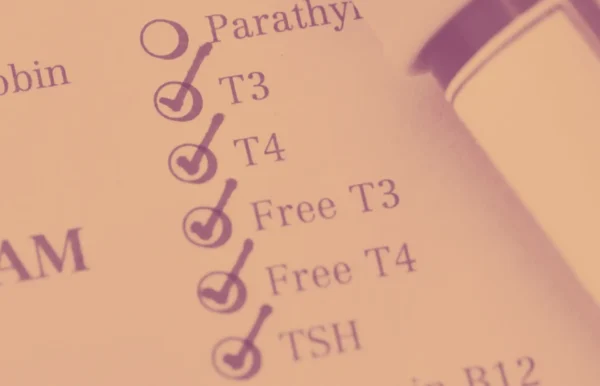
- Comprehensive hormone testing
- Review of breast, cardiovascular, and clotting risk
- Assessment of thyroid, metabolic, and inflammatory status
- Monitoring nutrient sufficiency
- Careful dosing and follow-up
Not every woman needs estrogen. Some benefit primarily from progesterone support, especially in early perimenopause. Others regain the most function when testosterone is also optimized.
The treatment plan must always follow the body’s needs — not a standardized protocol.
A Gentle Reframe
BHRT is not about resisting aging — it’s about supporting the body through aging with physiology that still works well.
Hormones guide nearly every healing system in the body. When they fall too low, the nervous system loses stability, tissues renovate more slowly, and energy declines.
Providing back what the body naturally produced for decades is simply medicine, not vanity.
Your Turning Point
For many women, BHRT is a turning point — not because it makes them feel younger, but because it helps them feel balanced again.
When hormones are restored thoughtfully and safely, women often rediscover calm, clarity, strength, and vitality — allowing healing to happen on every level.